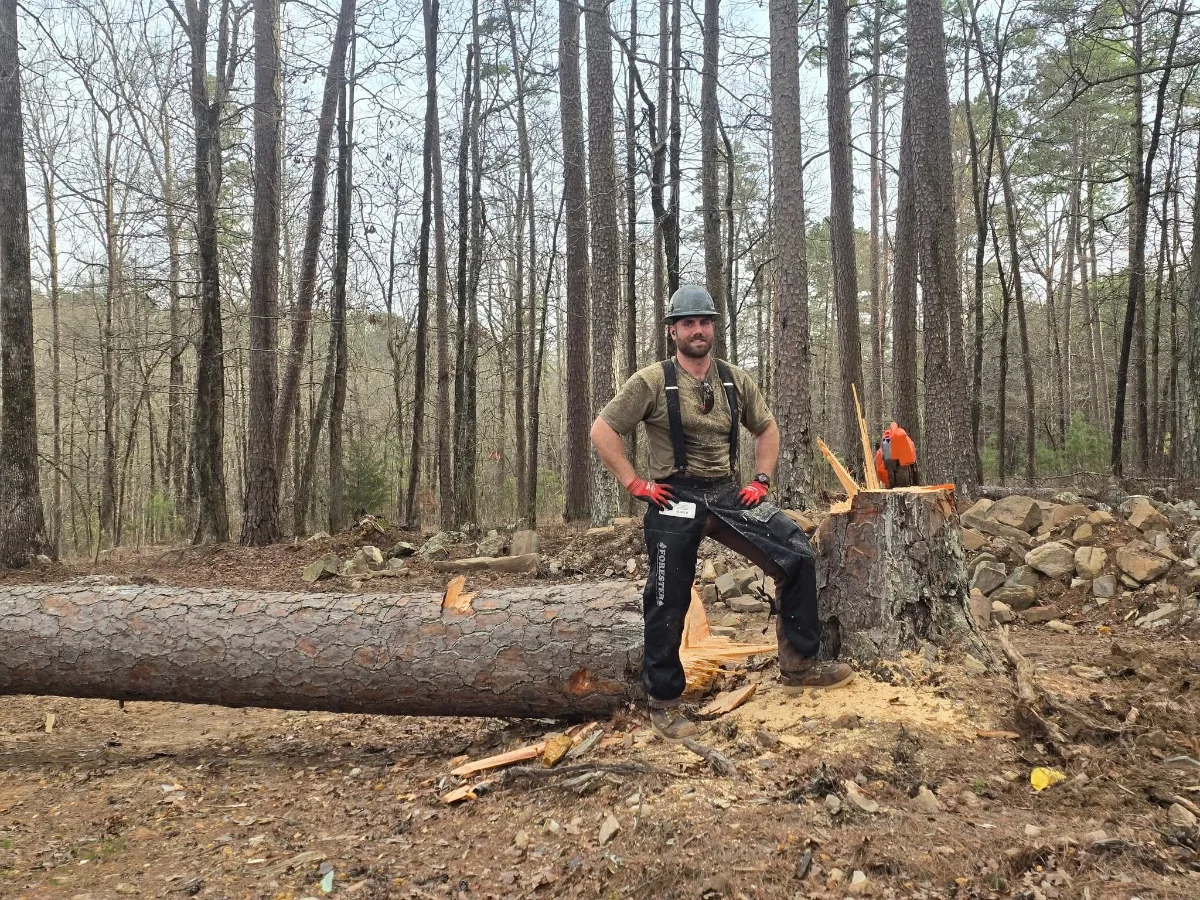
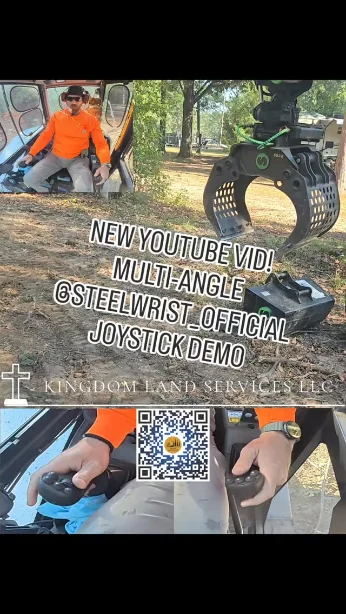
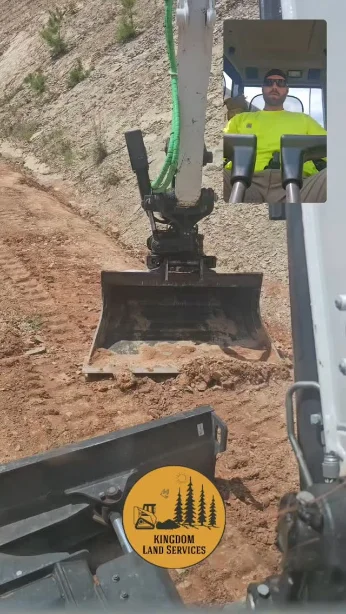
I run an excavation and land-clearing company.
Like a lot of contractors, I was not short on work. The problem was keeping track of everything around the work.
Leads came in from everywhere: paid lead services, word of mouth, social media, website forms, existing customers, referrals from jobs, and random phone calls throughout the day. I had multiple phone lines, a Google Voice number for the website, texts coming in, voicemails piling up, and telemarketers calling all day on top of it.
When you have leads coming in through three different numbers and five different places, things start slipping.
Someone texts while you're running equipment. Someone calls while you're driving. Someone gives you job details over the phone and you either have to remember it, ask them to text it to you, or stop what you're doing and try to take notes. Then that note, text, voicemail, or call log gets buried under the next hundred notifications.
That's how follow-ups get missed. That's how jobs get dropped. Not because you don't care, but because the system is scattered everywhere.
The search for a fix
2022 — 2025For years, I looked for the one piece of software that would pull all of it together.
I tried CRMs. I tried FSMs. I tried Jobber. I tried HubSpot. I tried connecting things with Zapier. I tried scripts. I filled out feedback surveys hoping somebody would build the thing I actually needed.
None of it really worked the way it needed to work in the field.
A lot of software is built like the person using it is sitting at a desk. But contractors aren't always sitting at a desk. We're in machines, in trucks, on jobsites, talking to customers, coordinating crews, moving equipment, and trying to keep work moving.
And it wasn't just leads
The taxonomyThe leads were the start of it, but every other piece of the business had its own version of the same problem.
Equipment scheduling
Remembering which machine needed to go into the shop, when it could be down, and how to schedule jobs around that.
Employee scheduling
Tracking which part-time employee could work which days, who was available, who wasn't, and which jobs could actually be staffed.
Jobsite communication
Trying to get ahold of somebody over the sound of a machine. Where's the walkie-talkie? Is it charged? Can they hear it through headphones? Then calling their phone just to tell them to pick up the radio.
Permitting & compliance
Remembering what each job needed, what had been handled, what still had to be done, and what could become a problem if it got missed.
And of course, it was receipts.
Like just about every contractor in the country, I had a glove box full of receipts that needed to be scanned into QuickBooks. Not because I didn't know they needed to be handled — but because doing them one at a time is a pain. So they sat there until accounting turned into a whole separate project.
So I started building it myself
v0 — KLS AssistantThat's where DropHammer came from.
I originally started building it for myself. The first version was called KLS Assistant — a web app with Telegram integration I could use to keep myself organized and automate the things I kept having to do manually.
Then I started talking to contractor friends about it.
Almost every one of them had the same reaction. Dude, I need that.
That was the point where it stopped being just a tool for me and started becoming DropHammer.
What we're actually building
The operating systemThe goal got bigger: build a voice-first, hands-free operating system for owner-operators. Something that could work from the field, connect to the tools contractors already use, and act as the central control layer across the business.
DropHammer is built to handle the backend end-to-end: leads, follow-ups, scheduling, booking, equipment coordination, crew communication, customer updates, payments, expenses, receipts, margins, tax prep, and integrations with the tools you already use — QuickBooks, Stripe, Jobber, ServiceTitan, HouseCall Pro, CompanyCam, and more.
It's also built to do more than just store information.
Because it knows the jobs, the customers, the equipment, the schedule, the receipts, the payments, the margins, and the work happening in the field, it can start giving proactive insights — the kind of things an experienced operator knows to look for, but usually doesn't have time to dig through five systems to find.
For the field, first.
The pointDropHammer came out of the problems I was actually dealing with while running my own company.
That's why it's built for the field first.
Not for a perfect office workflow.
Not for another dashboard nobody has time to check.
For owner-operators who are trying to keep the work moving without letting the business side fall through the cracks.